16 SEP 2026
Author: Rachel Shipman
In summer, you can use less electricity by keeping heat out during the hottest part of the day, using natural airflow when it’s cooler outside and choosing a fan before air conditioning where practical. Line dry laundry, cook in ways that add less heat to the kitchen, use hot water thoughtfully and switch off equipment you’re not using.
Summer at home can mean long evenings, extra people around, more washing and more time trying to keep cool. The good news is you don’t need to make things complicated — a few small habits can help your home feel more comfortable without wasting electricity.
Close curtains or blinds on windows that get strong sun, especially during the hottest part of the day. This helps stop rooms heating up before you need to cool them down.
Once the outside air is cooler than the air indoors, open windows and doors to create airflow if it’s safe to do so. Even a short evening breeze through can make the house feel fresher.
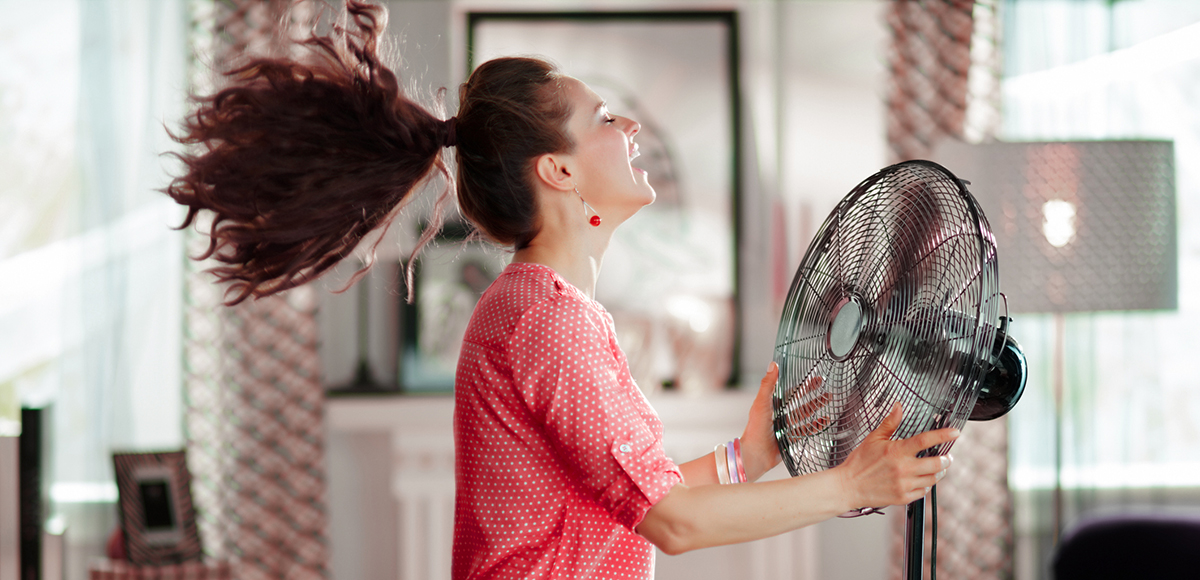
A fan uses air movement to help people feel cooler, rather than cooling the whole room. That can make it a good first option on warm days.
Turn fans off when nobody is in the room — fans cool people, not empty spaces.
If you use air conditioning or a heat pump in cooling mode, close doors and windows so cooled air stays inside. Clean the filter as recommended by the manufacturer and choose a comfortable setting instead of going straight to the coldest option.
Setting the temperature very low can make the unit use more electricity without necessarily cooling the room much faster. A steady, comfortable setting is a better place to start.
Warm, breezy weather is made for the clothesline. Wait until you have a full washing machine load, use a cold wash when it suits the clothes and let the sun and wind handle the drying when you can.
If you’re home during the day, you may be able to time washing around the weather — for example, putting a load on before work starts, then hanging it out during a break.
Using the oven on a hot day can make the kitchen harder to cool. When it suits the meal, use the barbecue, microwave, air fryer or another smaller appliance instead.
If you do use the oven, try cooking several things at once and avoid opening the door repeatedly. That keeps heat in the oven and out of the room.
Shorter showers can reduce both water use and the electricity used to heat water. Fix dripping hot taps and run the dishwasher only when it’s full.
If you’ve got more people staying over during summer, hot water use can add up quickly — especially with extra showers, dishes and washing.
Your fridge can work harder in summer, especially if the kitchen is warm or the door is opened often. Check that the seals are clean and closing properly, avoid blocking vents and let warm food cool before putting it inside.
Try not to leave the fridge door open while you decide what to eat. It’s a small habit, but it helps keep cold air where it belongs.
Turn off outdoor lights in daylight and switch entertainment gear, chargers and appliances off when they’re not needed. If you’re going away, check what can safely be switched off before you leave.
A quick pre-holiday check can help avoid power being used by things no one is there to enjoy.
Usually, yes. A fan generally uses less electricity because it moves air around rather than actively cooling the room. The best option still depends on your home, the weather and the needs of the people in it.
Close curtains or blinds when direct sun is heating the room. Open them, and windows if it’s safe, when the outside air is cooler and you want fresh air to flow through.
Air conditioning, extra refrigeration, pool or spa equipment, more laundry, outdoor lighting and entertainment equipment can all increase summer electricity use. In many homes, cooling and appliances that run for long periods are the biggest things to watch.
Start by keeping heat out: close curtains on sunny windows, use shade where possible and open windows when it’s cooler outside. A fan can also help you feel cooler without needing to cool the whole room.
Choose one summer habit to make automatic. For example, close sunny curtains before the house heats up, turn fans off when you leave the room, or line dry washing whenever the weather plays along.
Suggested next step: Want more ways to use less power around home? Explore Contact’s current energy saving guide and compare plans to see what best suits your household. Alternatively visit ECCA for easy ways to save on your energy bills.


For independent complaint or pricing advice, UDL, Billy & Powerswitch can help.
Read our Residential Consumer Care policy on how we'll keep you safe and connected.