Water is a precious taonga – a resource for all New Zealanders to enjoy and look after, including Contact. We rely on an ongoing supply of good quality water, and recognise we have a responsibility to minimise our impact on Aotearoa New Zealand’s freshwater ecosystems.
We strive to be part of the solution for better water quality in Aotearoa New Zealand. We’ve been working alongside our communities and stakeholders to improve our management and stewardship of water resources.
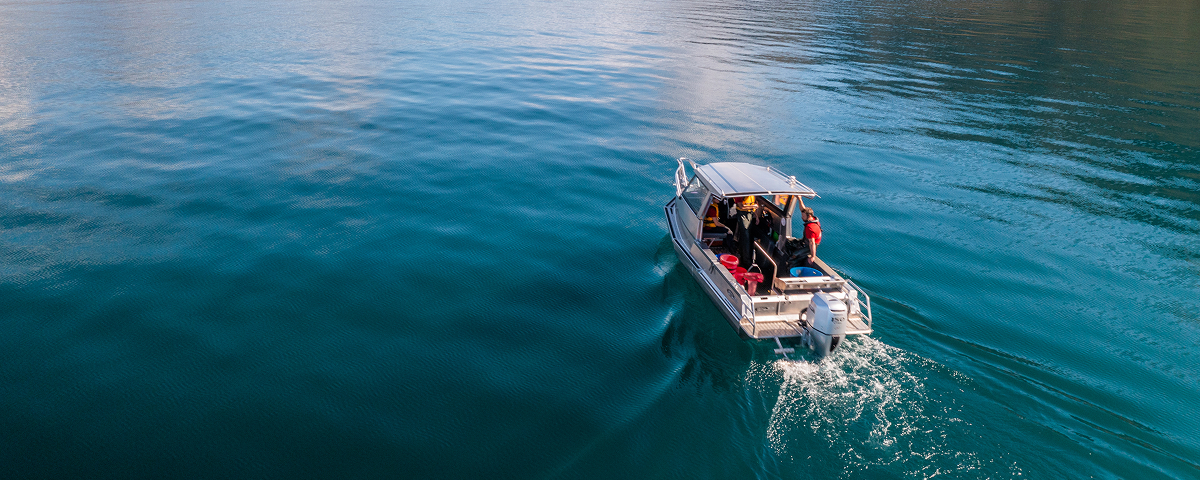
Contact is committed to caring for Aotearoa New Zealand’s waters and aquatic ecosystems, protecting this precious taonga for the health of the environment, and the use and enjoyment for future generations.
We believe water is for all New Zealanders to share. We recognise the principles of the Treaty of Waitangi and the kaitiaki relationship between tangata whenua and water.
Our continued access to water is a privilege and comes with responsibilities that define our use, management, and stewardship. We share these responsibilities with others and strive for open and collaborative relationships to ensure we all play our part in improving the quality of our waterways.
We have developed a Water Commitment, with the support of our Board and Sustainability Leadership Team, which outlines our dedication in relation to water.

At Contact, we use and have an impact on water in several ways.
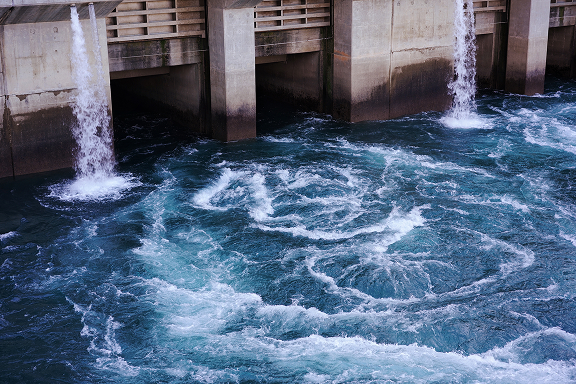
Our hydro stations use water directly for electricity generation. Although water runs through the dam, these structures create a barrier for sediment and freshwater species to move naturally through the river. Where necessary we monitor sediment in the rivers we operate along, and steps have been taken to mitigate our impacts on native freshwater fish migration.
Water is used for cooling to keep our operations running safely and efficiently at all of our generation sites. Some water is also evaporated into the atmosphere. At our Wairākei Geothermal Power Station, the cooling water (which contains geothermal contaminants) is pumped through the Bioreactor, which removes up to approximately 95% of the hydrogen sulphide before the water is discharged back to the Waikato River. The hydrogen sulphide volume in the cooling water is controlled by strict consent limits.
Our offices use water in kitchens and bathrooms. Most of these potable water systems are connected to the local district council supply and treatment.
Water is used upstream of us in our value chain in the manufacture and transportation of capital goods and goods and services we purchase.
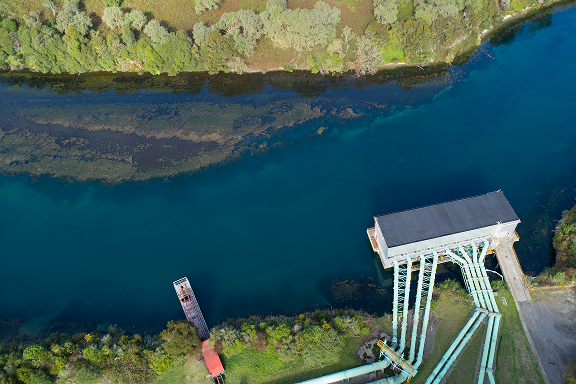
We are committed to reducing and mitigating the impacts of our operations on the natural environment, and significantly reducing our impacts on local surface waterways. As an example, in line with our consent requirements, at Wairākei we will stop discharging cooling water into the Waikato River no later than 2031. As we develop plans for the long-term operation of the Wairākei steamfield beyond June 2026, we will undertake a number of environmental improvements, including ceasing the discharge of separated geothermal water to the Waikato River. This work reflects how we manage water stewardship with energy generation: continuing to generate renewable geothermal electricity while reducing our discharges to the Waikato River and improving outcomes for the awa and the communities who rely on it.
We’ve worked hard over many years to understand the perspectives of iwi, hapū and our communities and we engaged with all these stakeholders through the renewed consenting process for our Wairākei A & B Geothermal stations. We are committed to maintaining these relationships for the long-term operation of our geothermal power stations.
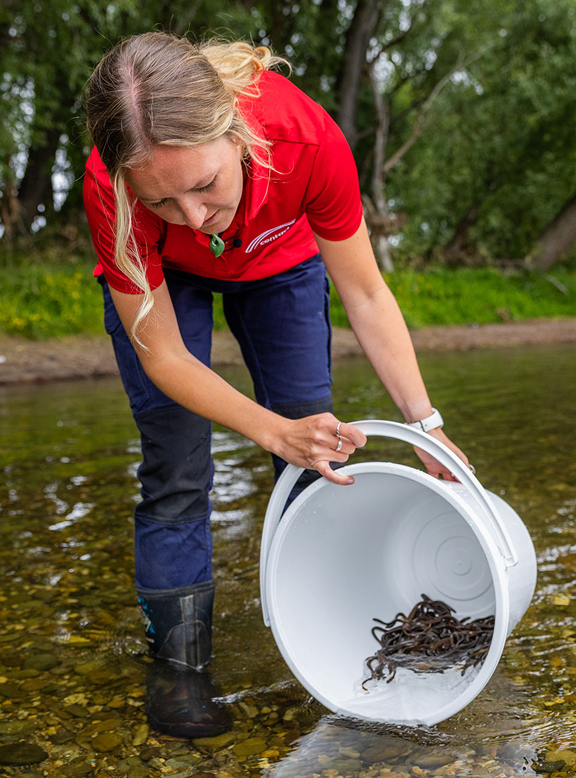
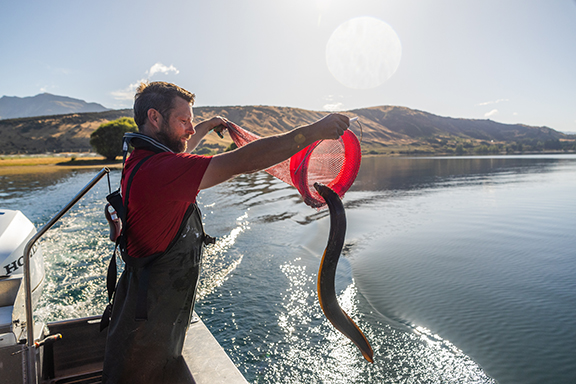
We help protect ecosystems around our hydro schemes by supporting fish movement, monitoring waterway health and restoring habitat. Across many of our sites throughout Aotearoa, passive fish passes help native fish species, trout and salmon move naturally. In many areas, we work with local iwi on tuna trap-and-transfer programmes to help adult tuna (native eels) and elver (baby eels) safely complete their migration cycles. We also monitor fish stocks and water quality, and carry out riparian planting to support healthy aquatic habitats.
We employ qualified and experienced experts to manage our resource consent compliance at all our generation sites. They undertake Environmental Impact Assessments relating to our water takes, discharges and non-consumptive use, assessing both how our operations rely on water and how they may affect rivers, geothermal systems, aquatic ecosystems and connected communities. These assessments are completed at the time of application and reviewed annually. Water-related risks and opportunities are also incorporated into Contact's ISO 14001 risk assessment process, identifying and managing potential impacts on water resources and aquatic ecosystems through a risk-based approach, annual operational reviews, and continual improvement.
As part of our consents, controls (or conditions) are imposed on Contact, including ongoing monitoring and sampling, to ensure we manage our water impacts to the required limits. As part of the consenting process, priority substances of concern, like arsenic, hydrogen sulphide and mercury, are identified and limits set for their discharge to ensure effects on the environment are no more than minor. For example, weekly limits apply to hydrogen sulphide loads in the cooling water discharged from our Wairākei Geothermal Power Station to the Waikato River.
We also consider how changing climate conditions – including rainfall, drought and hydro inflow patterns – may affect water availability over time, through our climate-related risk processes and climate scenarios (discussed further in our Climate Statement). While we do not operate in areas that face water-stress, we are conscious that our communities rely on the water systems we impact for sustenance and recreation.
When it comes to water, we understand we’re on a continuous journey. We’re constantly reviewing the way we operate and engage with our stakeholders, making changes that will reap benefits over the long term. You can stay in the loop on our progress against these commitments here on our website and in our company reports.
At Contact, we deliver great value, products, and service. We innovate based on customer feedback to shape the future.

We're committed to preserving natural resources for future generations of Kiwis, maintaining balance every day.
We've always got courageous and clever projects on the go to help generate renewable energy and manage our long-term impacts.


For independent complaint or pricing advice, UDL, Billy & Powerswitch can help.
Read our Residential Consumer Care policy on how we'll keep you safe and connected.